FOR INFORMATION ABOUT PURCHASING THE Entire COLLECTION OF 700+ ORIGINAL WORKS
TEXT OR CALL: (323) 325-1489
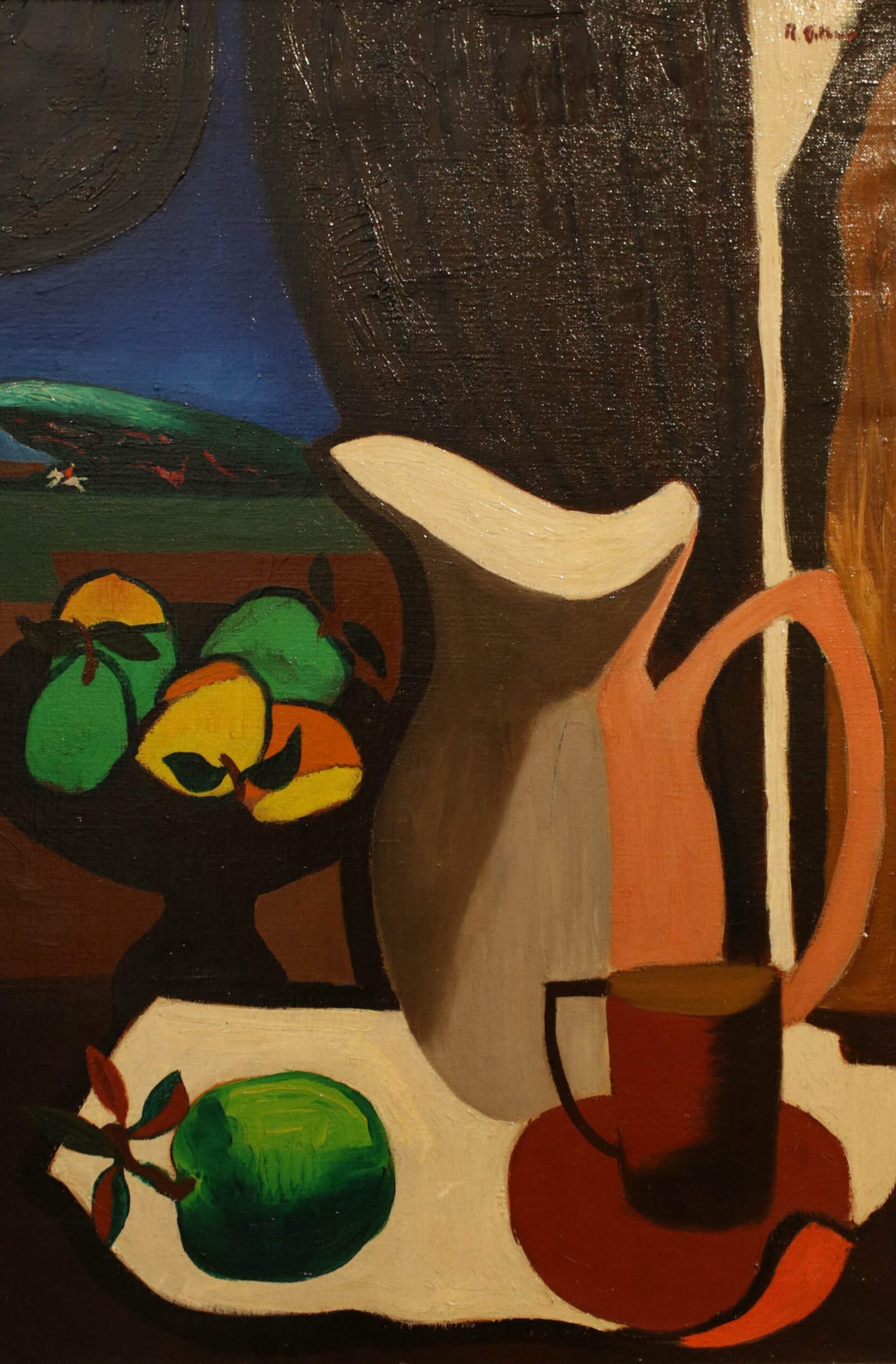
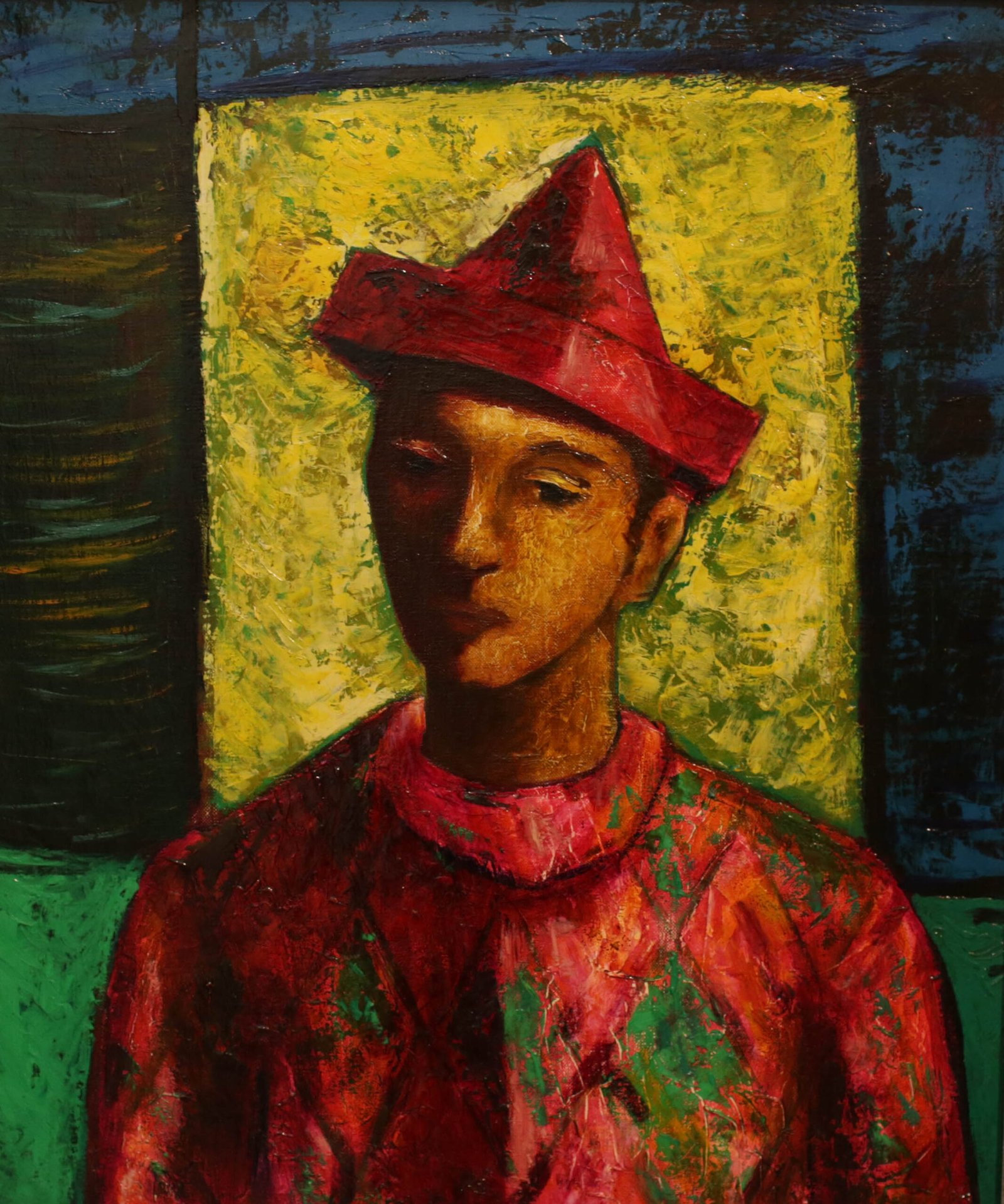
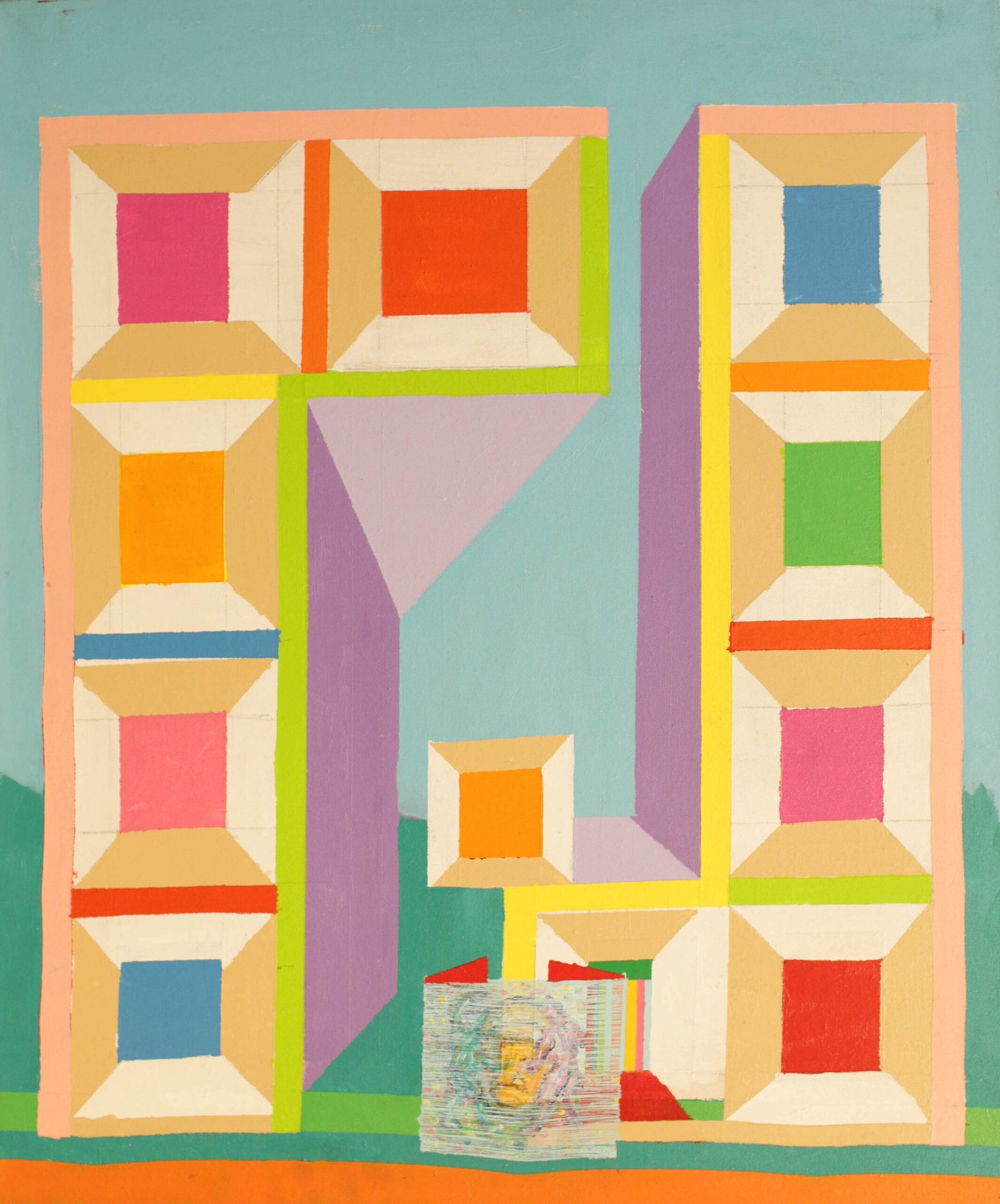
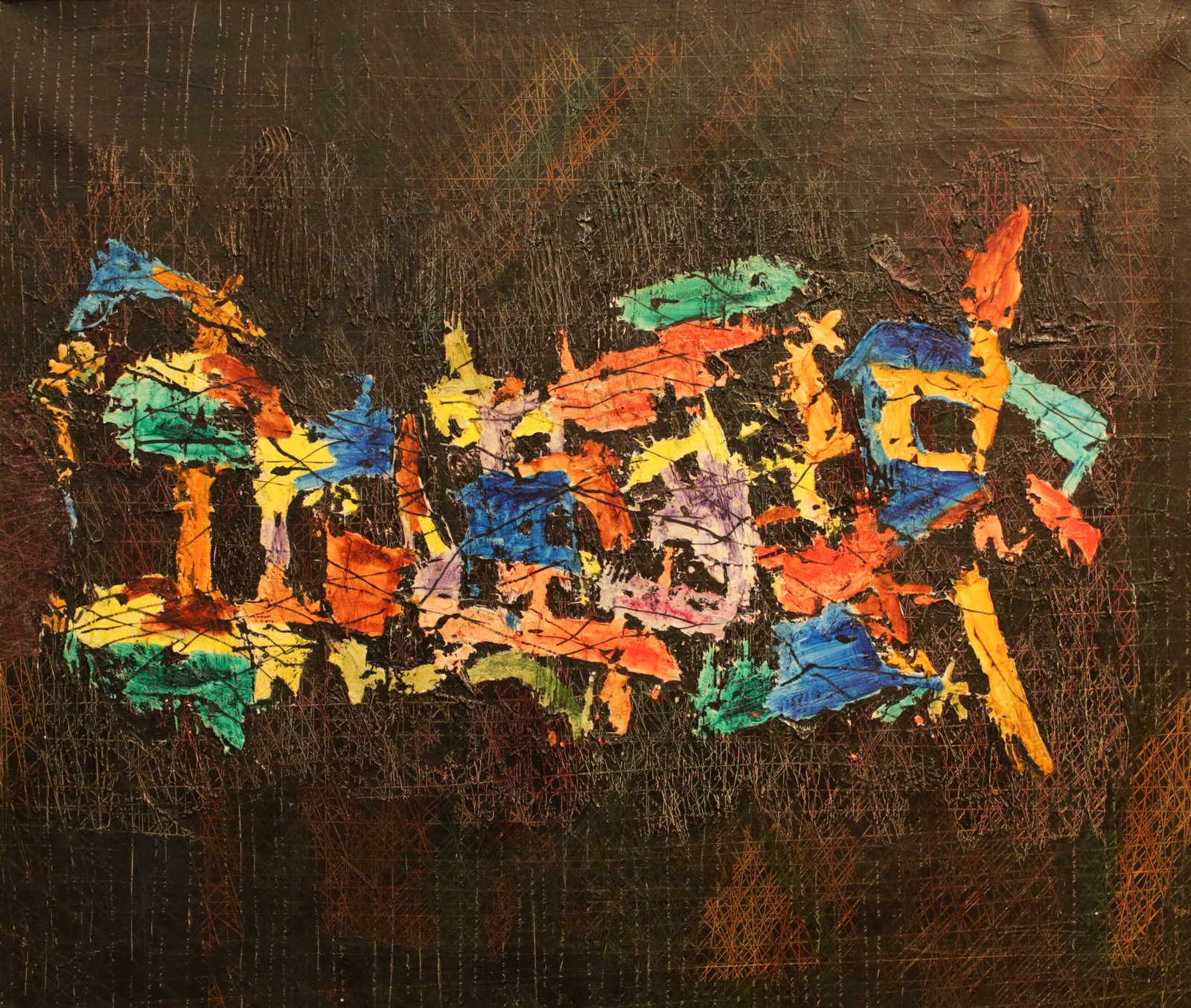
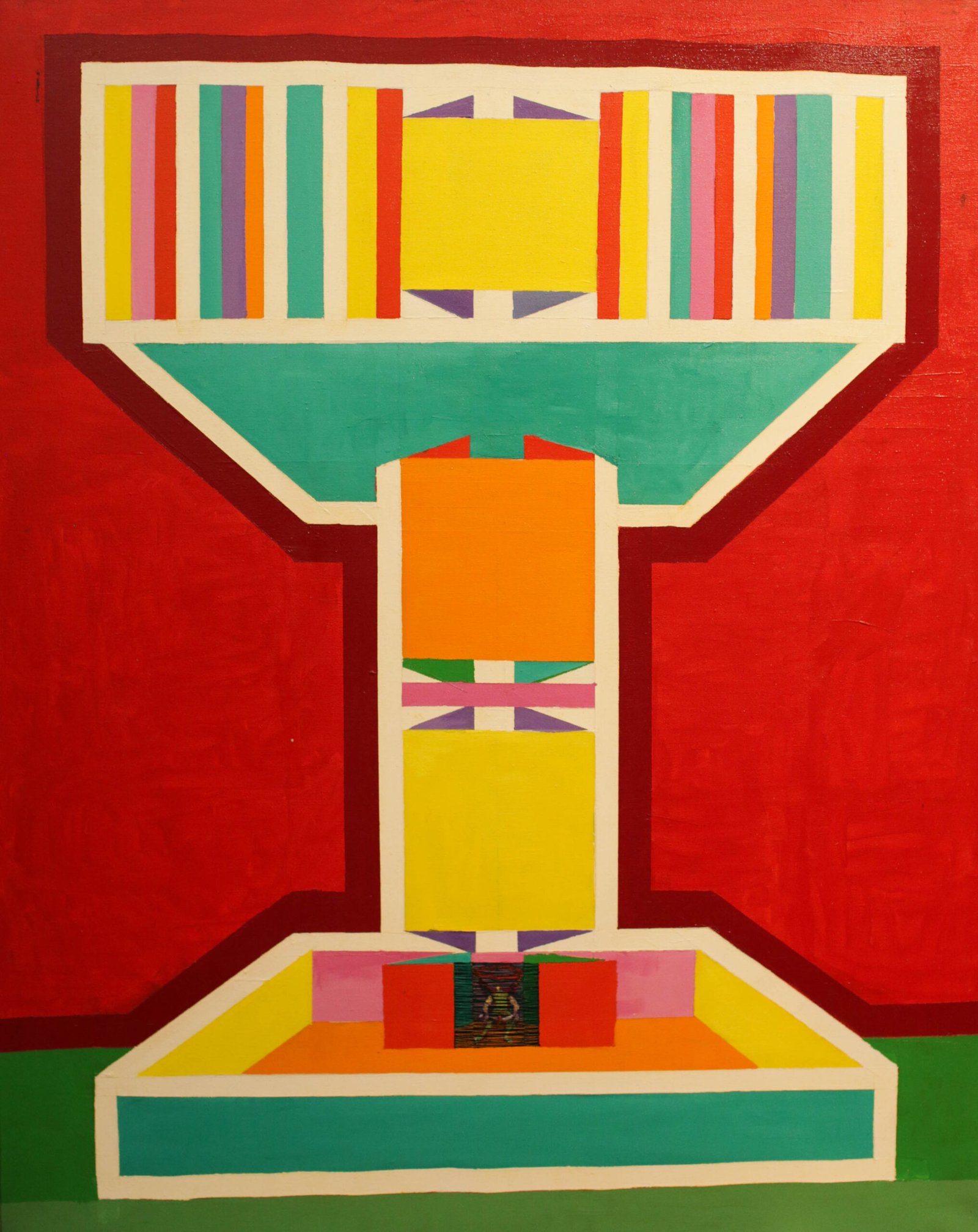
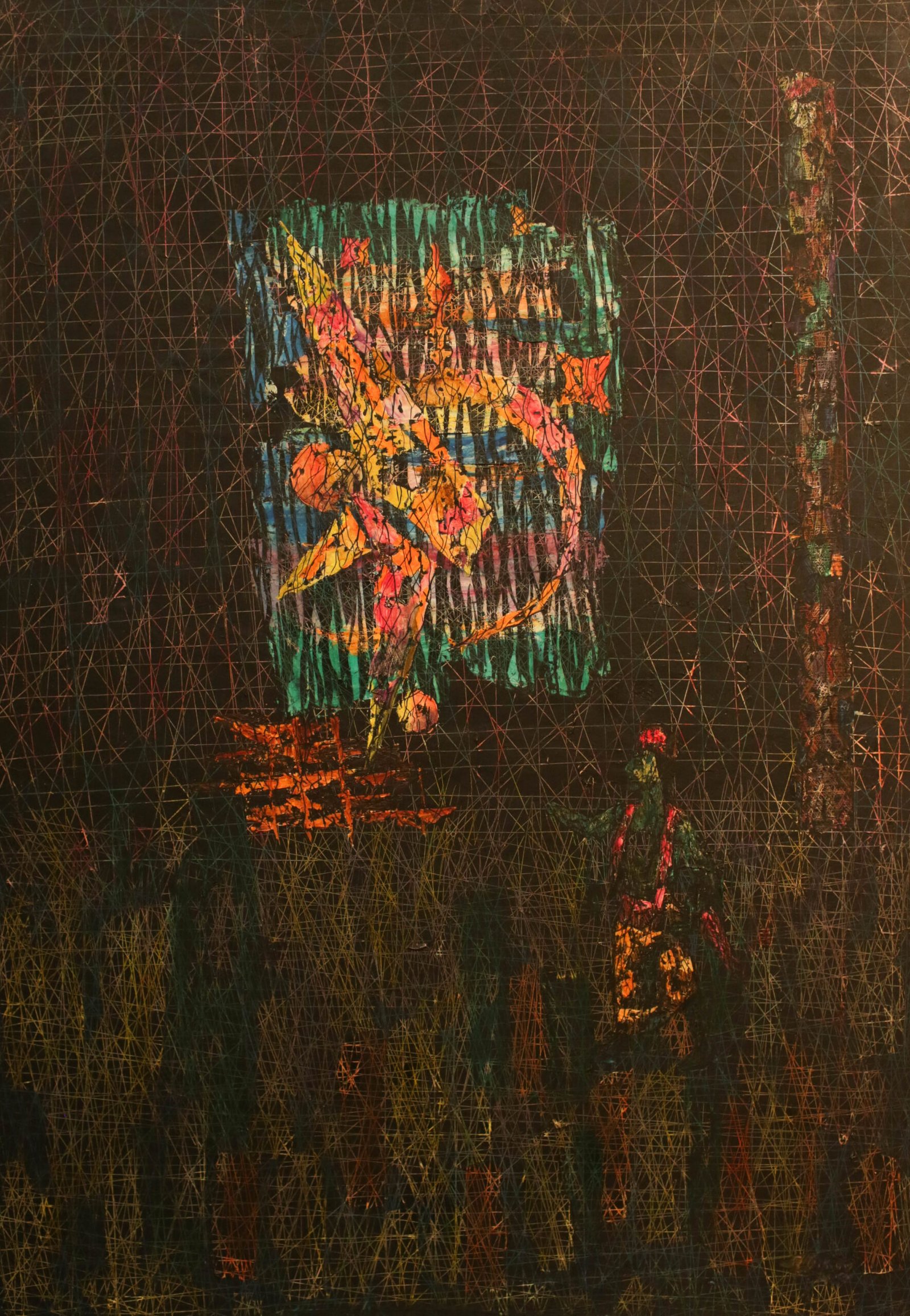
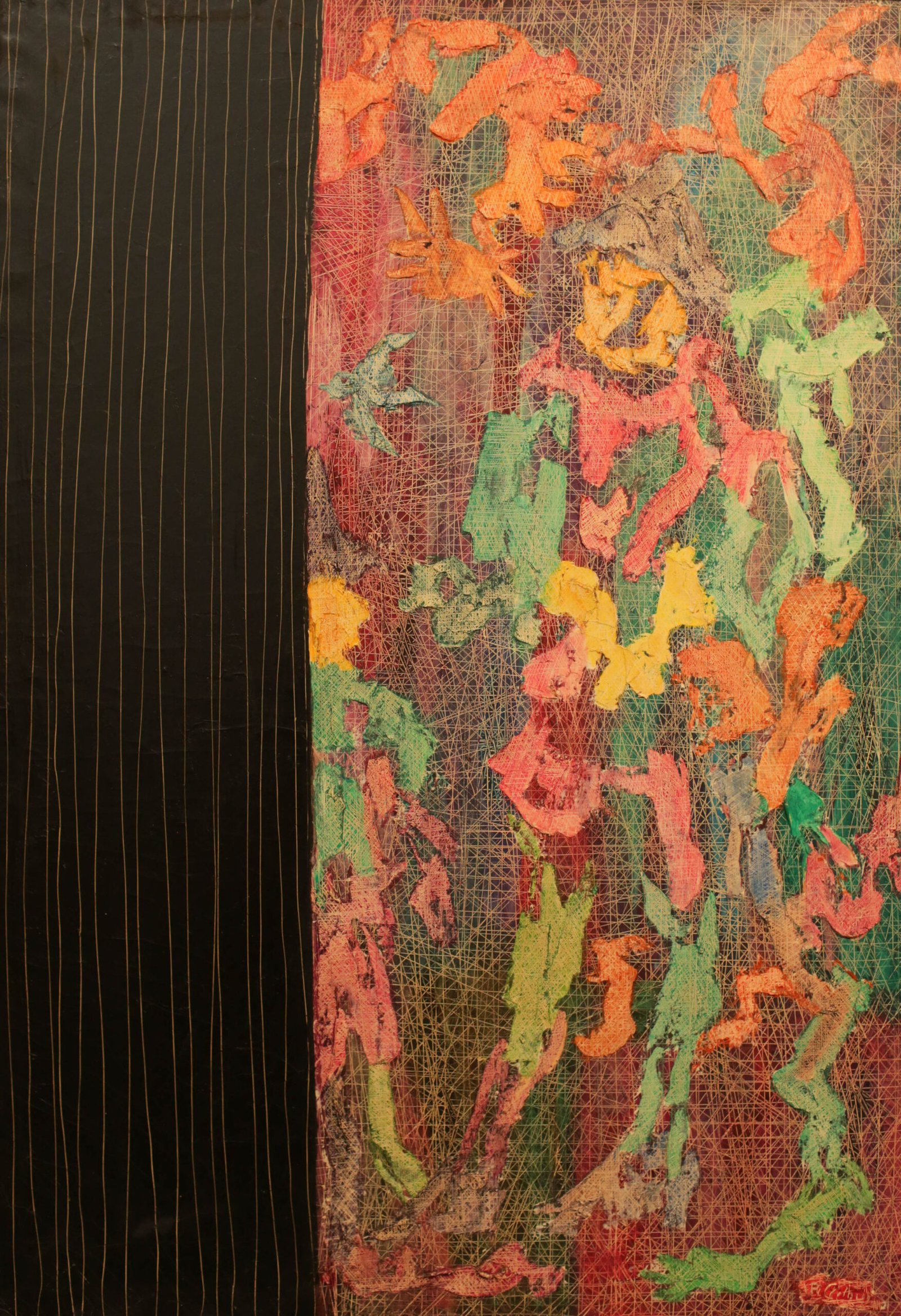
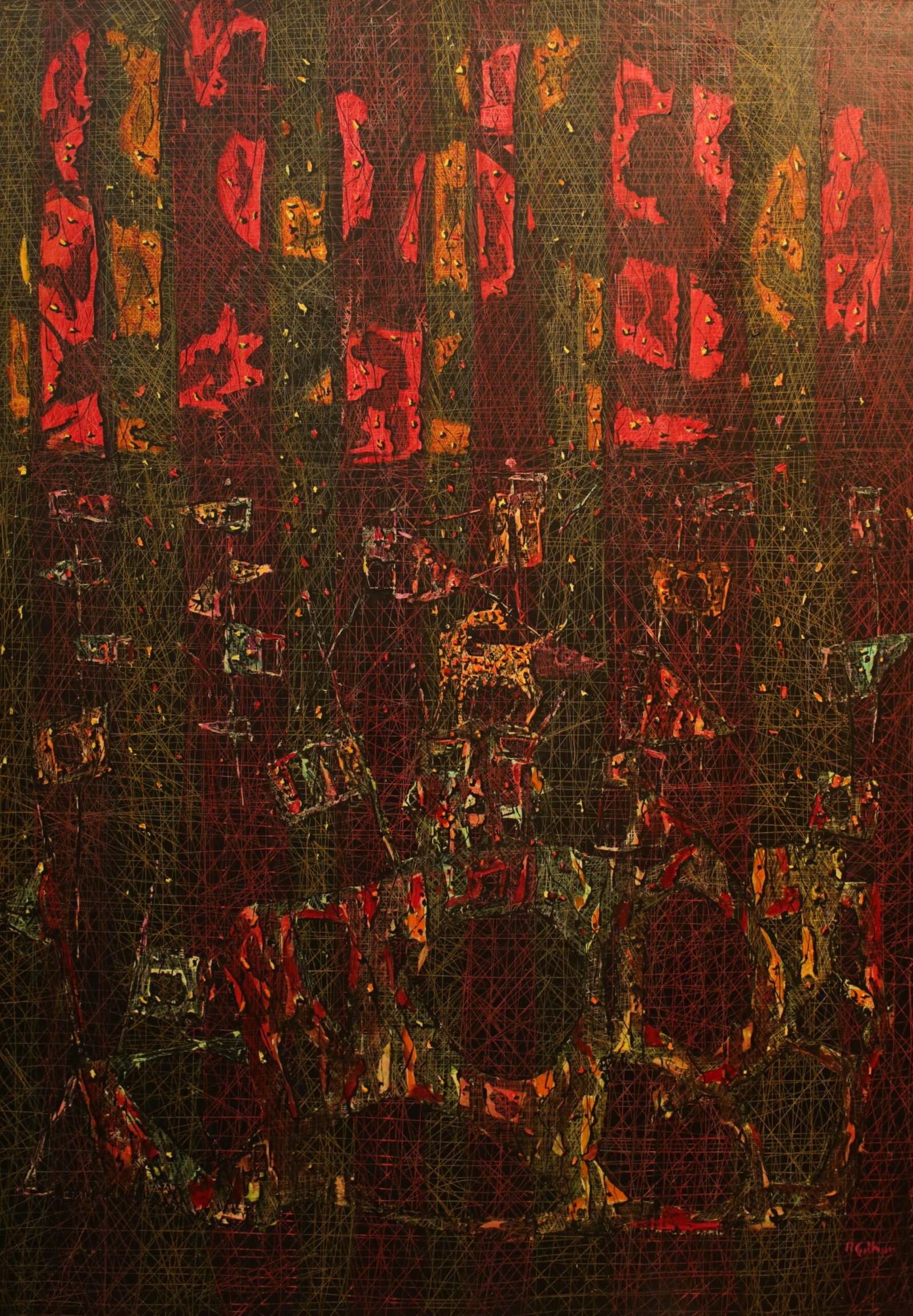
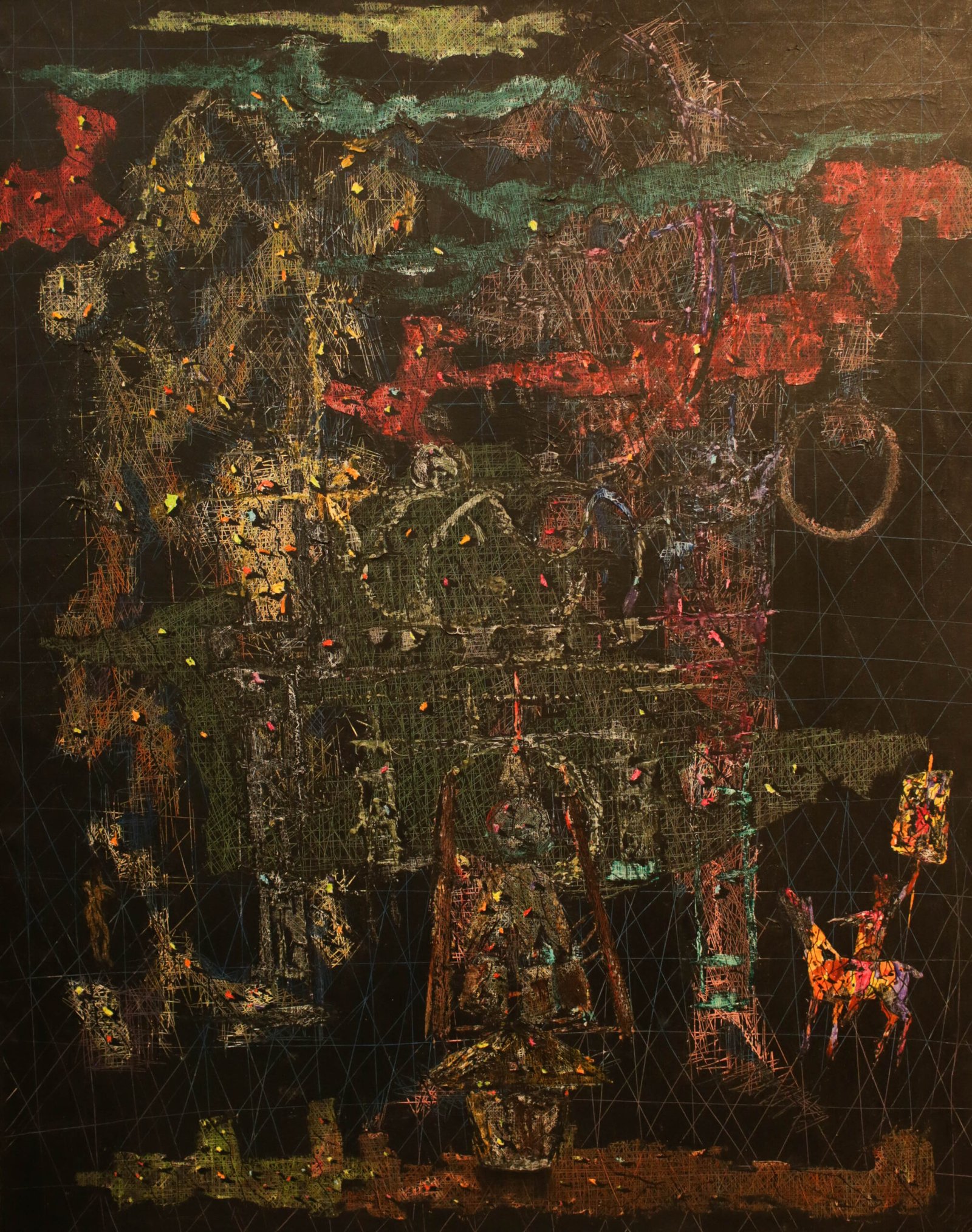
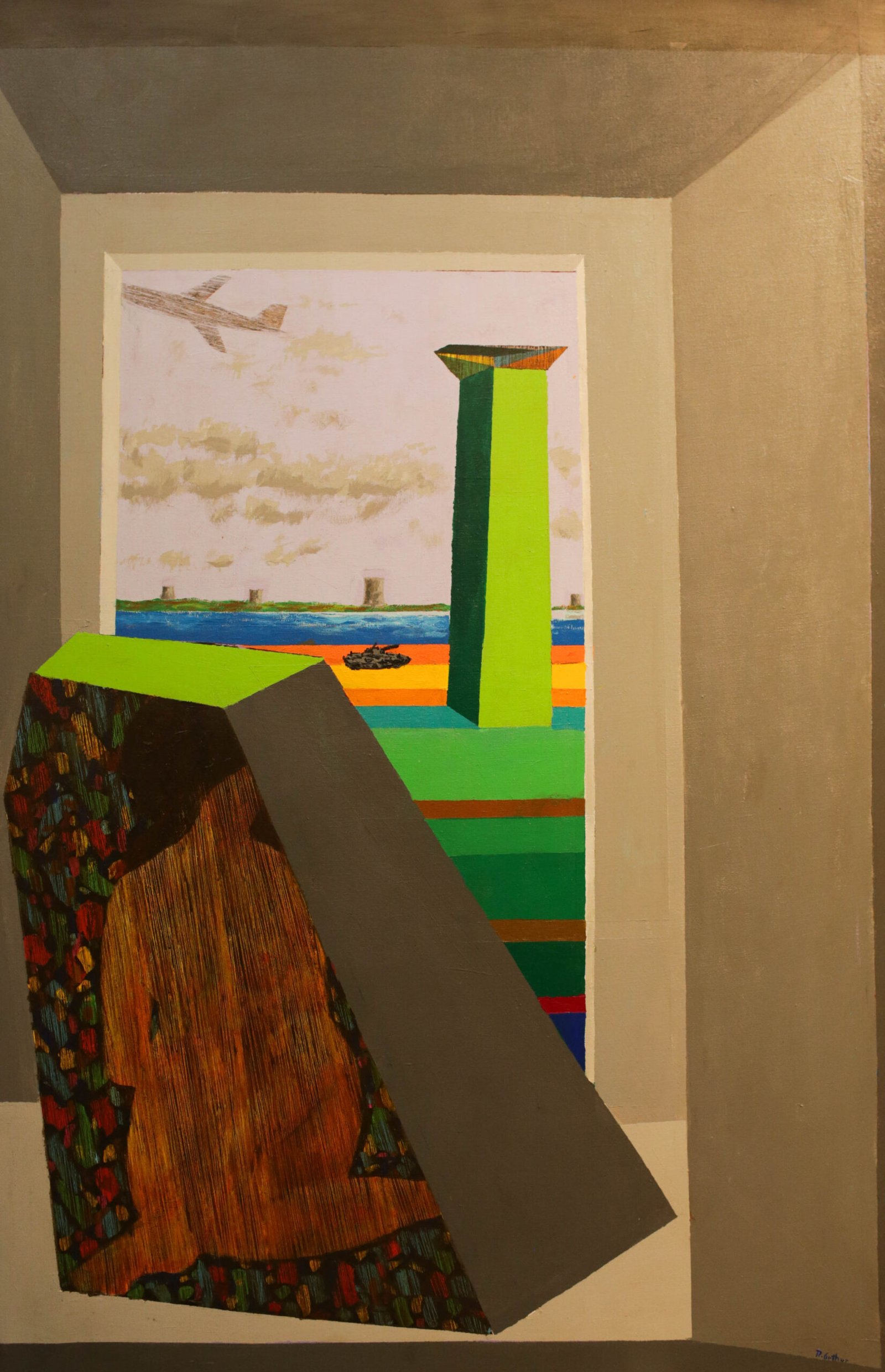
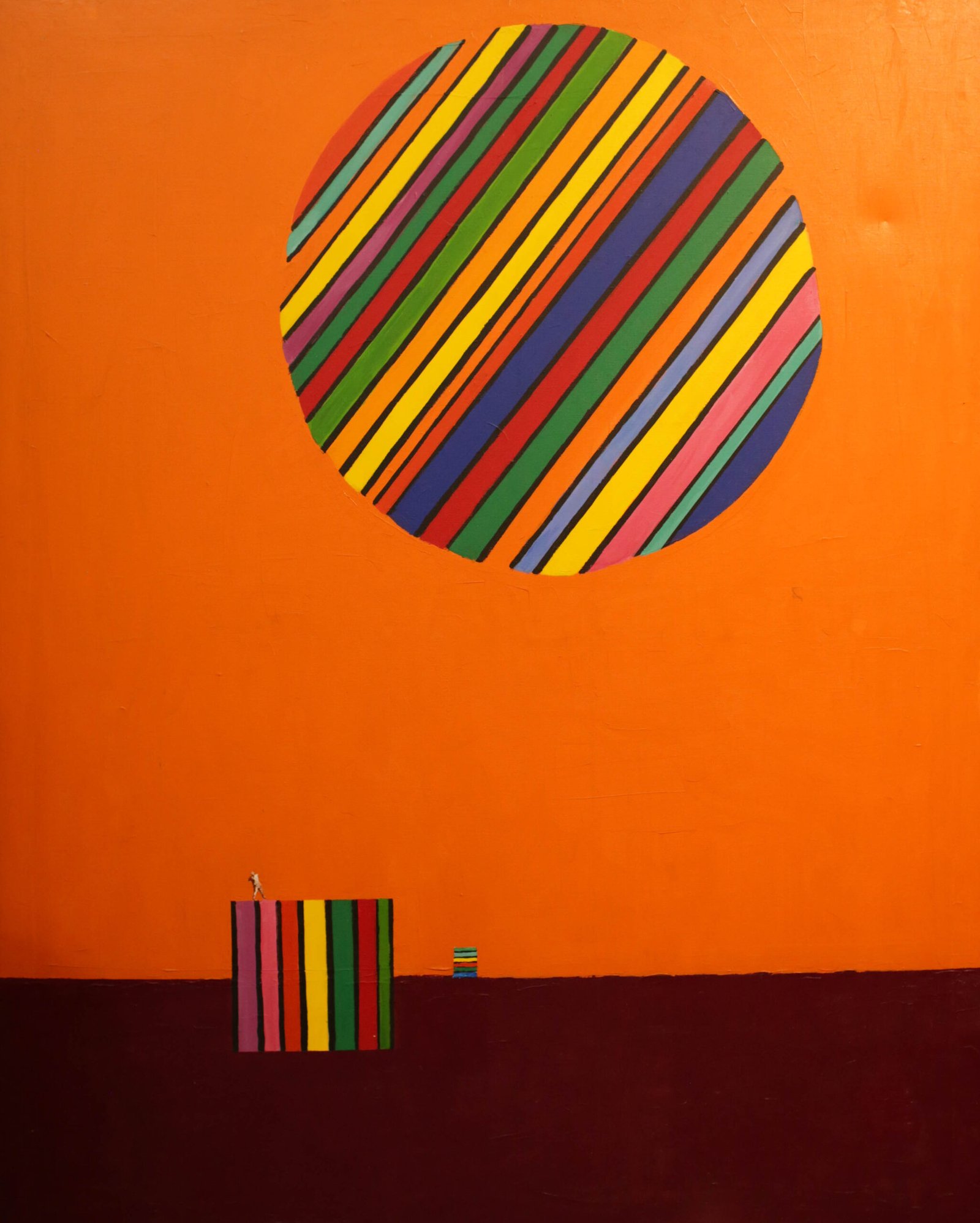
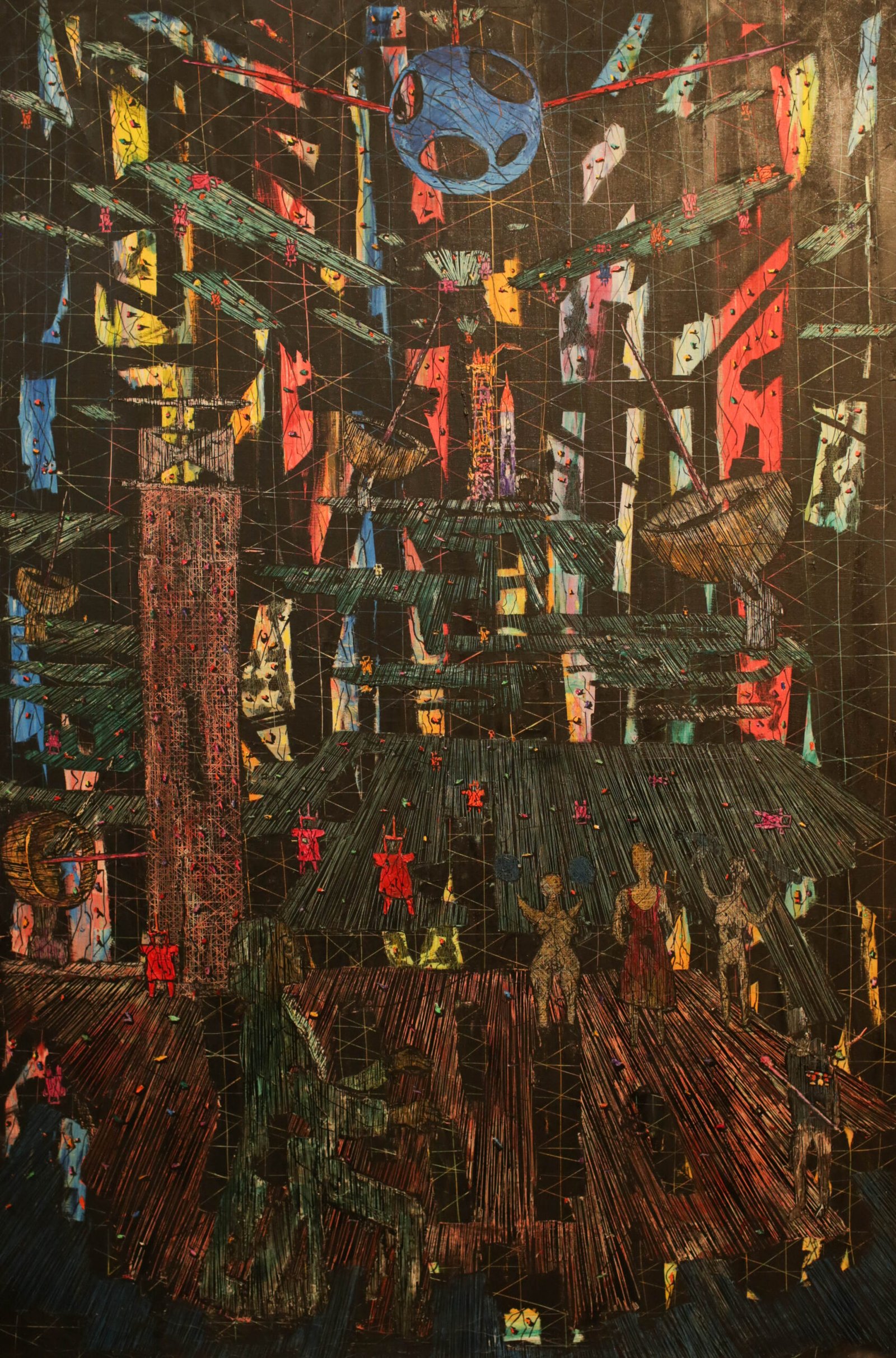
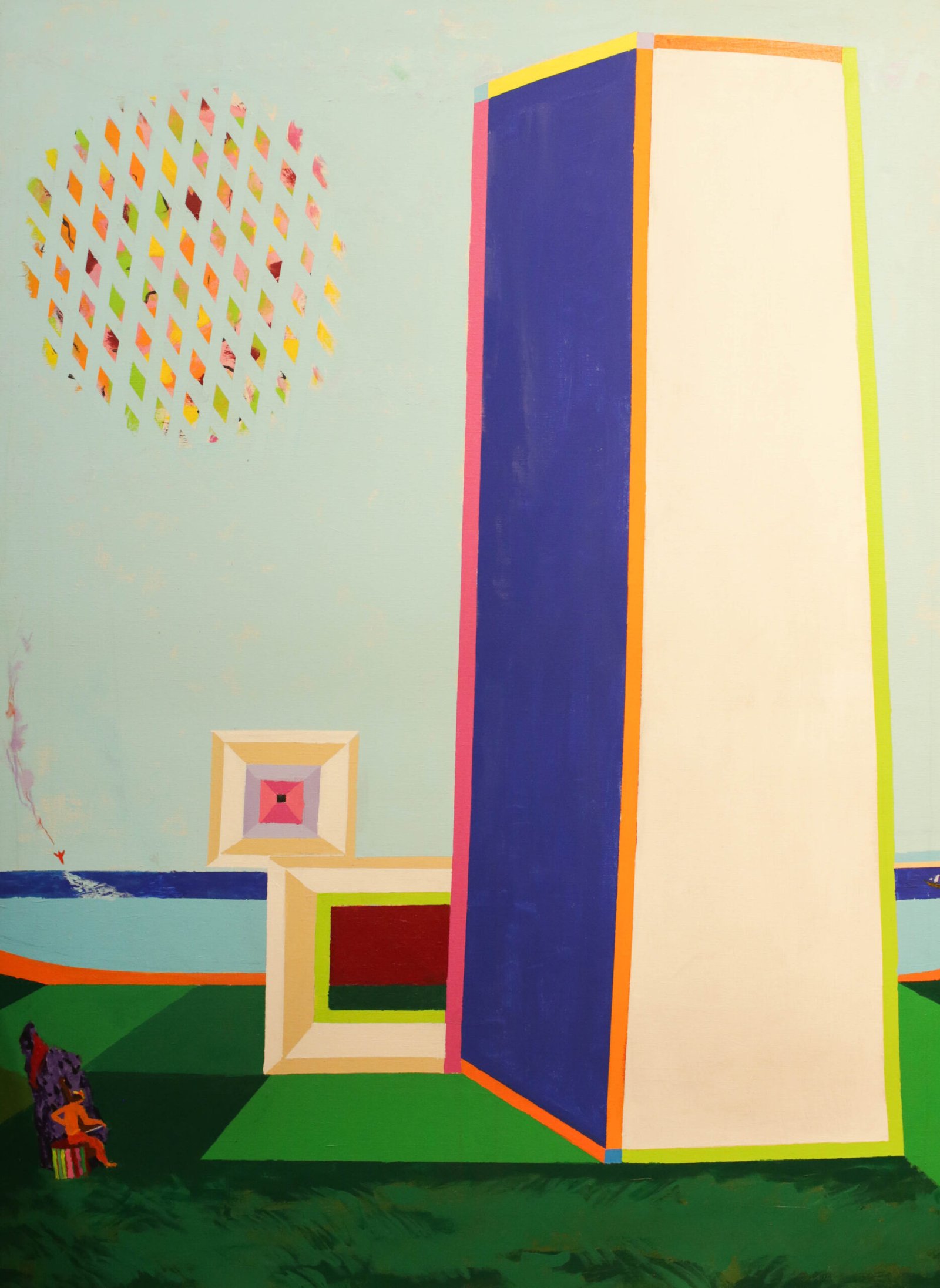
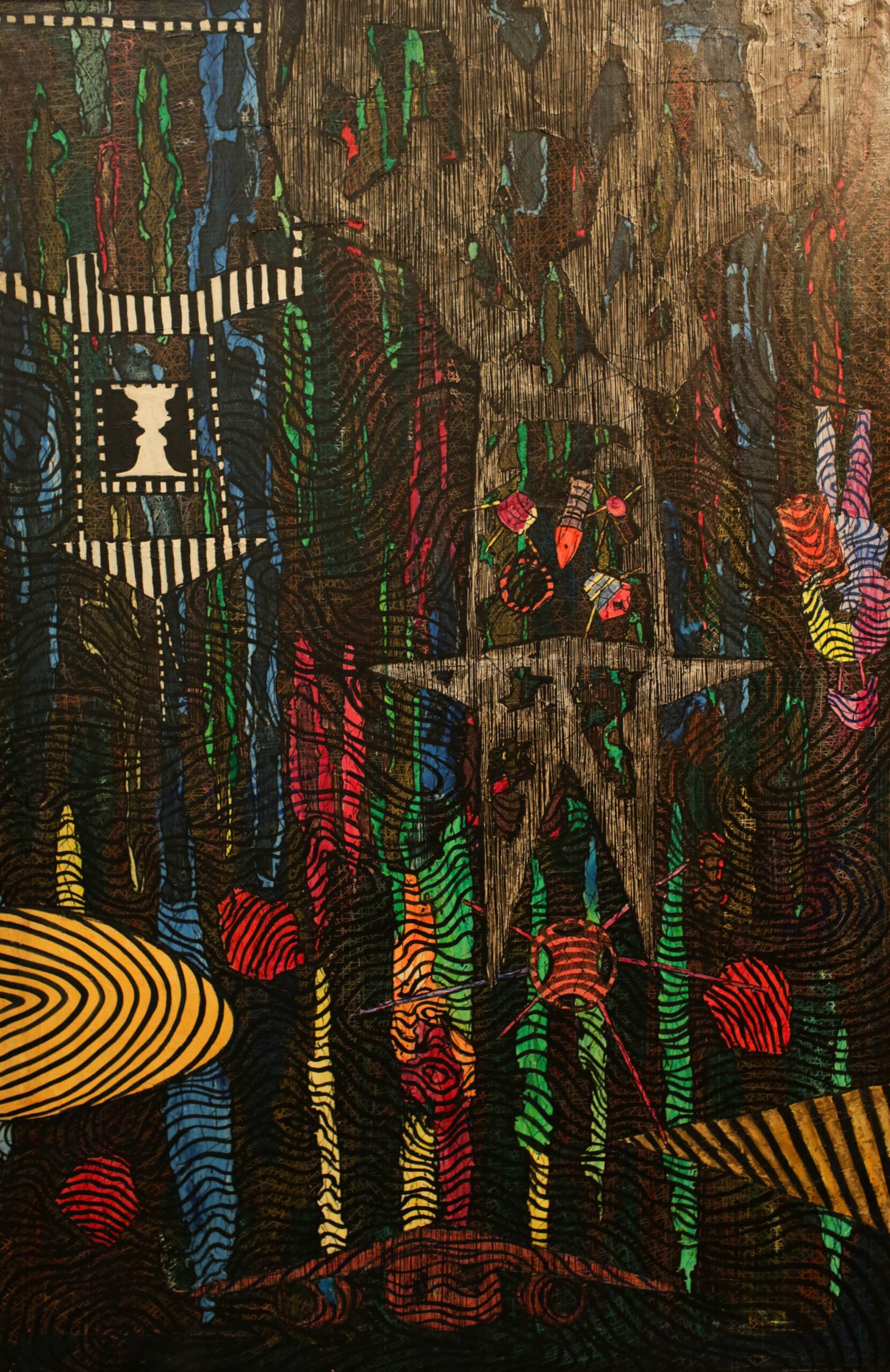
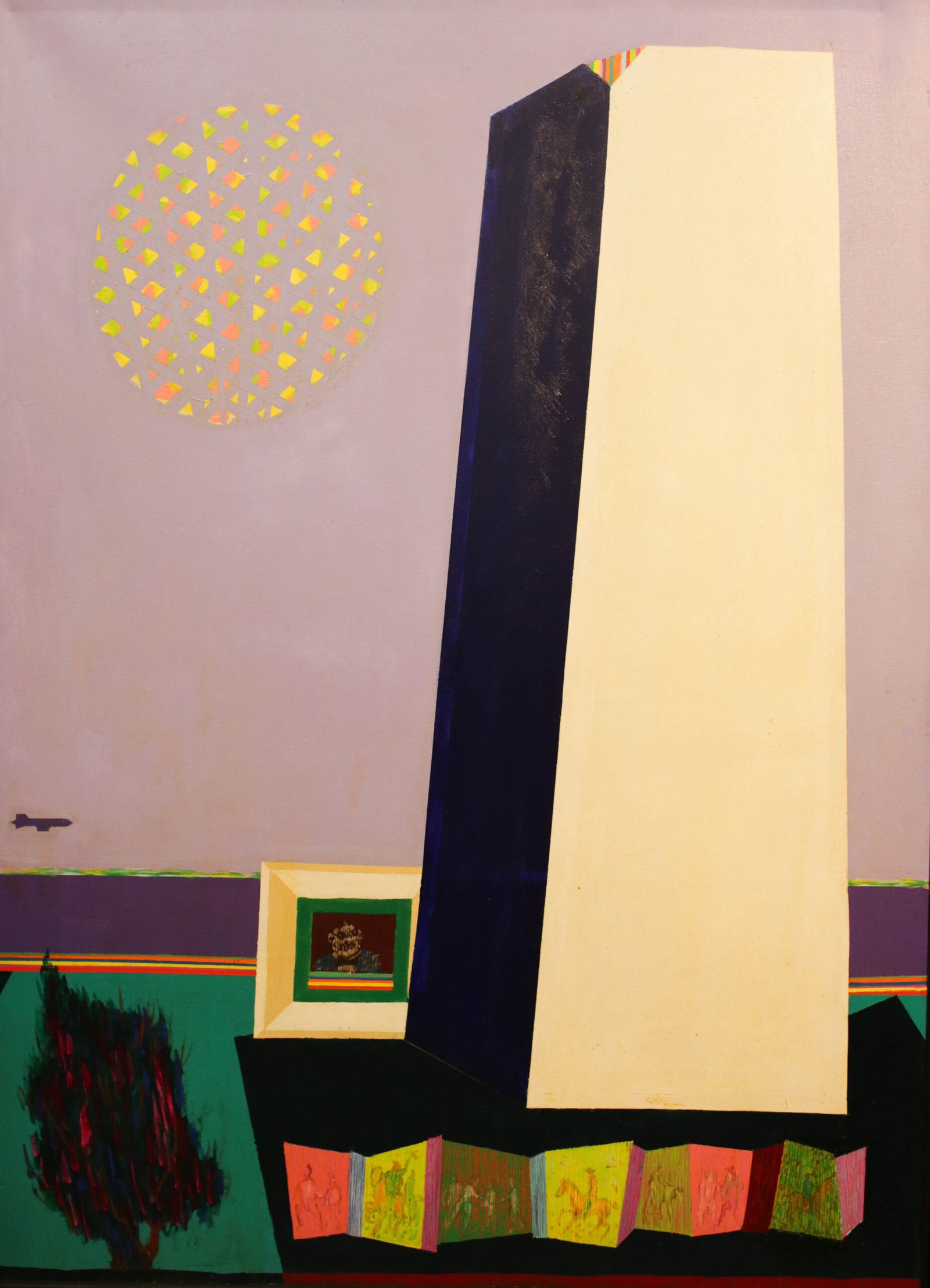
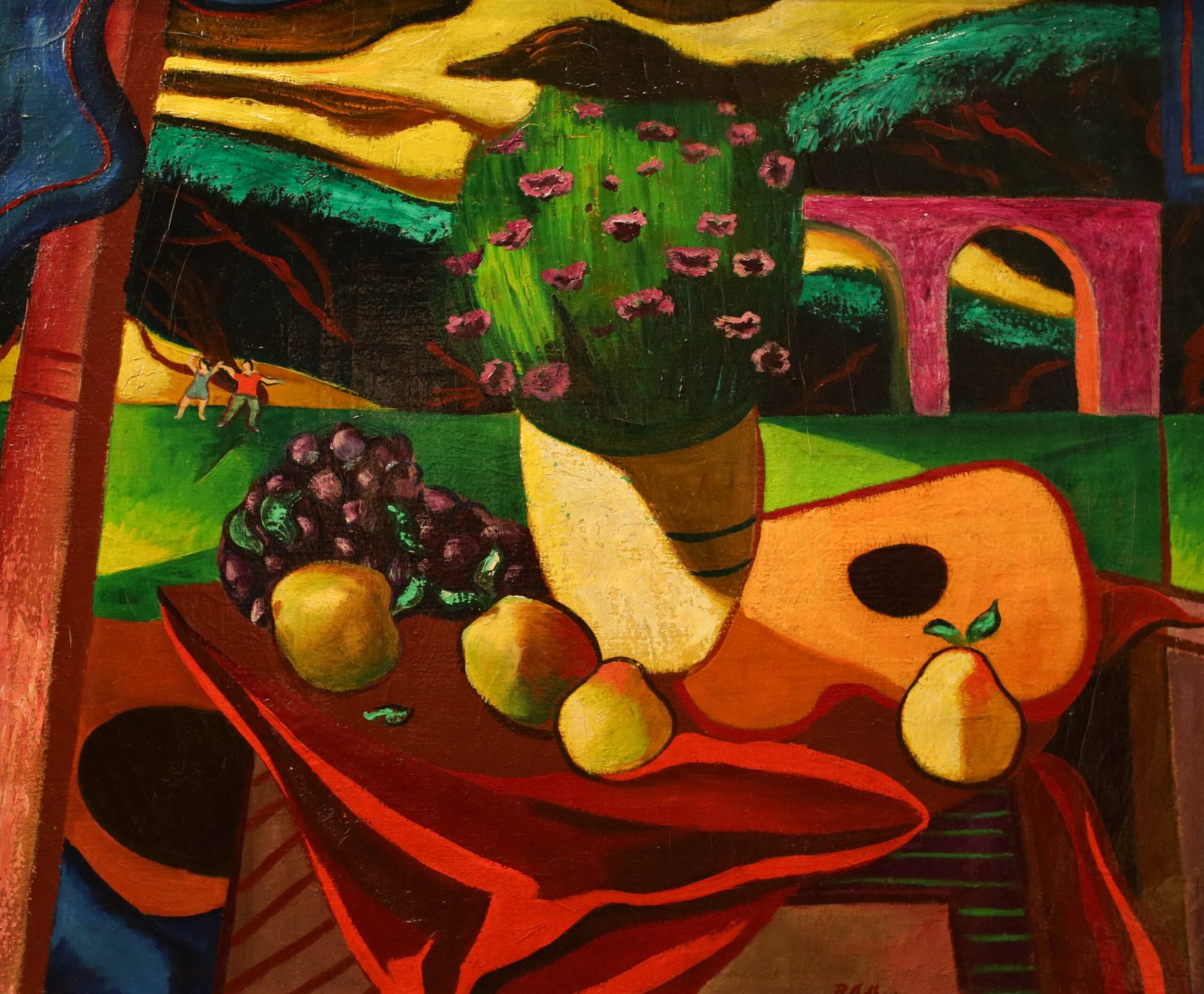
A lifelong resident of Stamford, Conn., artist Revington Arthur (1907-1986) allowed his paintings to speak to an abstract interpretation of life’s simpler moments. During his career, Arthur channeled his interpretation of the world through landscape works, portraiture, and figurative pieces, eventually embracing abstract and surrealist approaches. Arthur favored working in oil, acrylic, and watercolor but also expressed his artistry through a personal penchant for showy clothing, which often included checkered patterns and bright colors. Although painting was Arthur’s passion, the artist was also an accomplished musician, trained in violin and viola, which he played at the Norwalk Symphony Orchestra for over 14 years. This affinity for different artistic concentrations led Arthur to collaborate with artists from other fields, such as his October 1960 Indianapolis debut, in which he painted while concert pianist Ozan Marsh played during an installation named “This Moment in Music and Art.” Although Arthur resided in the same Connecticut home where he was born, his work gained recognition beyond the borders of his hometown. The world-renowned artist showcased his work through spaces around the globe, including the Brooklyn Museum, the Whitney Museum in New York City, and Sao Paolo’s Museum of Contemporary Art. Arthur studied at the Grand Central School of Art and Art Students League with George Luks, Arshile Gorky, and Kimon Nicolaïdes. The artist founded the annual Chautauqua Exhibition of Art and New England and National Print Shows at Silvermine Guild of Artists in New Canaan, Conn. Arthur served as a teacher at Chautauqua, N.Y.’s Chautauqua Art Center, where he was named director of emeritus and emeritus instructor in painting in 1985. In a 1951 American Painter article, Arthur is described as “a realist only in the sense that he extracts the essence of what interests him from real life. He takes that, dramatizing it with semiabstract design and brilliant—sometimes glittering—color, usually producing a picture in which idea dominates over obvious reality.” Citing the development of the artist’s preliminary study for his “Circus Family” works, American Painter noted Arthur’s process by this time aligned with a more abstract approach, which resulted in pieces including “Joan,” a crayon drawing depicting a circus acrobat during a quiet moment outside the lively circus ring. Through “The Star,” a canvas, Arthur’s subject is shown in the foreground, drawing attention with a burning gaze. At the same time, the background scene depicts the ringmaster directing acrobats, horses, and clowns in the center ring of the circus. One of Arthur’s most famous installations was 1938’s “33 American Families,” a collection that depicted the different lifestyles of families across the United States. Arthur devoted seven years of study to observing families throughout the country, including Arizona, Illinois, Tennessee, Georgia, Mississippi, New York, and regions of New England. The installation was hailed as “… a lively commentary on life in the United States today,” according to a 1938 piece in The Stamford Advocate.